


Choosing the right roof for your home is one of the most important decisions you can make as a homeowner. When considering the differences between shingled and flat roofing systems, understanding the pros and cons of each option helps you make an informed choice.
Comparing flat roof vs. shingles allows homeowners to evaluate cost, lifespan, maintenance needs, and aesthetic appeal before committing to a major investment.
Both roofing styles serve the same fundamental purpose: protecting your home from weather, enhancing energy efficiency, and contributing to curb appeal. However, the design, installation process, and performance characteristics vary, making it essential to weigh each option carefully.
Understanding Shingled Roofing
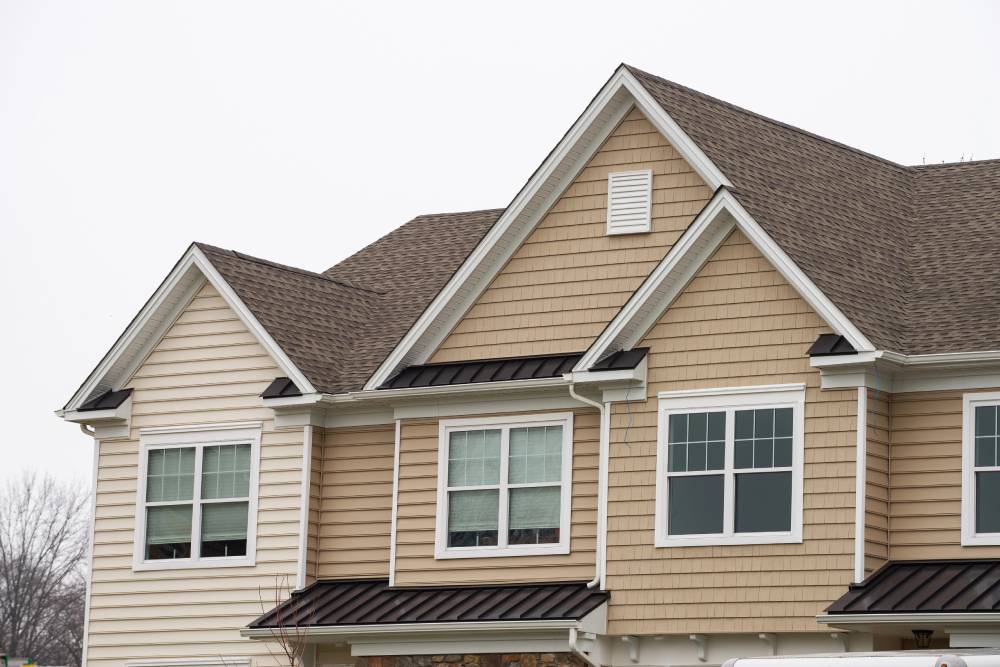
Shingled roofing, most commonly made from asphalt, is the traditional choice for many residential homes. Asphalt shingles are affordable, versatile, and available in a wide range of colors and textures. They are relatively lightweight and easy to install, making them a practical choice for sloped roofs.
Shingles are designed to shed water effectively, which makes them ideal for regions with frequent rain or snow. They typically last 20 to 30 years, depending on climate, installation quality, and regular maintenance.
Architectural shingles can mimic wood, slate, or tile, offering visual variety without the higher cost of premium materials. For homeowners seeking both reliability and aesthetic flexibility, shingled roofing remains a practical and appealing choice.
Understanding Flat Roofing
Flat roofs have become increasingly popular for modern residential and commercial designs. Unlike sloped shingled roofs, flat roofs have minimal pitch. This creates space that can be used for rooftop patios, solar panels, or additional storage. Common materials include TPO, EPDM, PVC, and modified bitumen, all chosen for their waterproofing and durability.
Flat roofs are easier and safer to access, which simplifies inspections and routine maintenance. They do require careful installation and periodic upkeep to prevent water pooling, leaks, or membrane damage. Well-installed flat roofs can last 20 to 30 years or more, offering practical benefits that go beyond traditional aesthetics.
Homeowners evaluating flat roof vs. shingles often consider these functional advantages alongside visual style.
Cost Considerations: Flat Roof vs. Shingles
Cost is often a deciding factor for homeowners comparing a flat roof vs. shingles. Asphalt shingle installations generally have lower upfront costs due to the material’s affordability and simpler installation. They are widely available, and labor costs are typically lower than those for flat roofing systems.
Flat roofs may involve higher installation costs because membranes require specialized techniques. Additional maintenance and inspections add to long-term expenses. Despite this, flat roofs give value to properties that benefit from their functional space, such as rooftop living areas or solar energy systems.
Evaluating both short-term and long-term costs helps homeowners select the option that aligns with their budget and lifestyle.
Durability and Lifespan
The expected lifespan of a roof is another critical consideration. Shingled roofs generally last 20 to 30 years, while high-quality flat roofing membranes can achieve similar longevity if maintained properly. Shingles are better at shedding water and handling extreme weather on sloped roofs, while flat roofs may require additional waterproofing measures and drainage solutions to prevent leaks over time.
Choosing between shingled and flat roofing involves balancing durability with the unique characteristics of your home’s design, local climate, and long-term goals.
Maintenance and Upkeep
Maintenance requirements differ significantly between shingled and flat roofing systems. Shingled roofs generally require periodic inspections to check for damaged, missing, or curling shingles.
Cleaning debris from gutters and guaranteeing proper drainage is also essential to maintain their lifespan. Repairs are relatively straightforward, as individual shingles can be replaced without major disruption to the roof.
Flat roofs, on the other hand, demand more frequent inspections due to their low slope. Water pooling, membrane damage, and debris buildup can compromise the roof if not addressed promptly. Regular maintenance, such as clearing drains and repairing minor membrane issues, is critical to prevent leaks and extend the roof’s lifespan.
While maintenance is more intensive, flat roofs can come with functional benefits, including rooftop patios or solar panel installations.
Aesthetic and Design Considerations
Aesthetics play a key role in choosing between shingled and flat roofing. Shingled roofs are versatile, complementing traditional and contemporary architectural styles. They allow for a wide range of textures, colors, and patterns, helping homeowners achieve a look that enhances their property’s curb appeal. Architectural shingles can even mimic high-end materials like slate or wood at a fraction of the cost.
Flat roofs create a modern, minimalist appearance, often favored for contemporary homes and commercial buildings. Their clean lines support functional outdoor areas, rooftop decks, or solar installations. Choosing between a visually striking shingled roof and the functional versatility of a flat roof depends on the home’s design, neighborhood context, and personal style preferences.
Energy Efficiency and Sustainability
Energy efficiency is a key consideration when comparing a flat roof vs. shingles. Light-colored asphalt shingles reflect sunlight and reduce heat absorption, helping maintain consistent indoor temperatures. Well-installed insulation and proper ventilation enhance energy performance and reduce heating and cooling costs.
Flat roofs bring opportunities for energy-saving solutions such as reflective membranes, green roofs, and solar panel installations. These systems can reduce energy consumption, provide insulation benefits, and promote sustainability. For homeowners looking to integrate eco-friendly solutions or utilize the roof for functional purposes, flat roofs present unique advantages.
Ultimately, the decision depends on your home’s structure, your lifestyle, long-term goals, and budget.
How Expert Roofing of Westchester Can Help
At Expert Roofing of Westchester, we guide homeowners through the decision-making process when comparing a flat roof vs. shingles. We walk you through each factor, including durability, maintenance needs, aesthetics, energy efficiency, and long-term value. This process allows you to select the roofing option that aligns with your home’s structure, your lifestyle, and your long-term goals for comfort, efficiency, and curb appeal.
If you’re ready to choose the right roofing system for your home, schedule an inspection or appointment today! We’ll give expert guidance, transparent pricing, and a roof built to protect your home and enhance its value for years to come.