


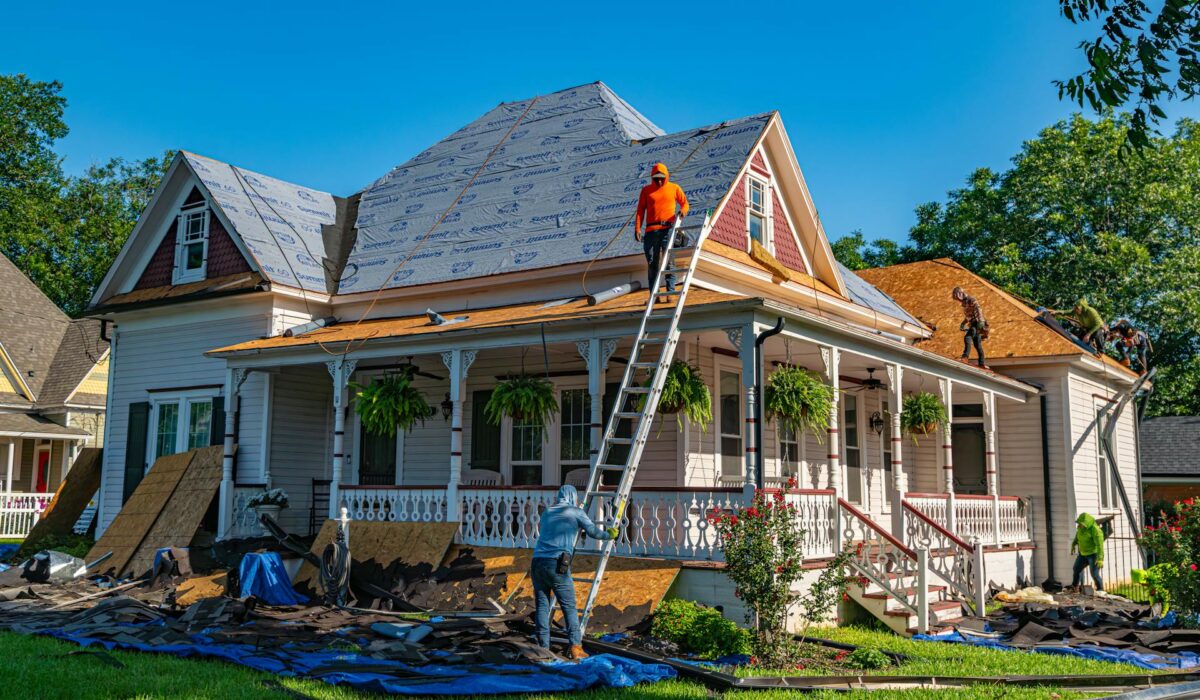
You are here because your roof is aging, leaking, or you want a clear plan before you invest. This guide explains how Westchester homeowners can decide, scope, and manage a roof replacement with confidence. Our team serves towns across the county, including White Plains, Yonkers, New Rochelle, Scarsdale, and Bedford Hills. If you are ready to talk specifics, explore our roof installation services in Westchester or request a free estimate on the contact page. To see coverage by town, browse our service areas across Westchester County.
At A Glance Checklist
Use this quick list to decide if replacement should be on your radar this season.
Signals your roof may be at end of life
- Widespread shingle granule loss, curling, or bald spots.
- Multiple active leaks or recurring leaks after repairs.
- Soft or spongy decking underfoot, sagging areas, or daylight in the attic.
- Ice dam history with interior staining each winter.
- Slate with repeated broken or slipping pieces across large sections.
- Flat or low slope surfaces with ponding or seams that keep failing.
What to do first
- Look from the ground with binoculars. Do not walk the roof.
- Check the attic for damp insulation, daylight at penetrations, or moldy smells.
- Gather your past repair invoices and photos for context.
- Verify any roofer you call is licensed and insured. Use Westchester County’s Find a Licensed Contractor search before you sign.
When repair might be smarter
- Localized storm damage with otherwise healthy shingles.
- A single flashing failure at a chimney or skylight.
- A small flat roof on an addition with isolated seam issues.
If you are unsure, schedule an inspection and compare a targeted repair with a scoped replacement. Start by requesting a written estimate from our team, and review our roof repair options if saving the current system is possible.
Roof Types in Westchester and Lifespans
Older colonials and capes in places like Scarsdale, Larchmont, and Pelham often carry slate, while many postwar homes use architectural asphalt shingles. You will also see flat or low slope roofs on additions and small multi family buildings in Yonkers and White Plains. For plain language technical background, see the NRCA’s homeowner guide to asphalt shingle roof systems and the Asphalt Roofing Manufacturers Association’s technical bulletins for residential roofing.
Typical lifespans, assuming quality materials and proper ventilation
- Architectural asphalt shingles, often 18 to 30 years in our climate.
- Slate, 50 years to a century or more depending on stone quality and fastening.
- Low slope membranes, often 15 to 30 years depending on product and exposure.
What affects lifespan most
- Ventilation and moisture control in the attic.
- Quality of underlayment, ice barrier, and flashing details.
- Fastening patterns that follow manufacturer specifications.
- Tree cover, salt air near the Sound, and repeated ice dams.
For deeper context on system details, review the NRCA asphalt shingle guide and the ARMA technical bulletins.
Local tip
New York State’s Uniform Code is your baseline. For current references, start at the state’s Division of Building Standards and Codes, and if you want the code text for roof assemblies, see Chapter 15 of the New York State Building Code.
What Counts As A Full Replacement
A full replacement means tearing off existing layers to the deck, repairing sheathing as needed, then installing a complete system that meets both code and manufacturer requirements. Recovering over old shingles is sometimes allowed, but it can hide problems and limit ventilation upgrades. If you want the governing language, review Chapter 15 on roof assemblies, and confirm specific reroof provisions in Section 1511 on recovering or replacing existing roof coverings. Also check manufacturer instructions, such as GAF’s Timberline installation guidance, since warranty terms depend on following those details.
Scope elements you should see in a proposal
- Protection of landscaping and property, dumpster placement, daily cleanup.
- Full tear off to deck, replace rotten or delaminated sheathing as needed.
- Ice and water barrier at eaves and valleys per local code.
- Synthetic or felt underlayment as specified.
- Drip edge, starter, field shingles or slate work, ridge cap, and hip details.
- Step and counter flashing at walls and chimneys, new pipe boots.
- Ridge or soffit ventilation upgrades as required.
- Final magnet sweep and haul away, disposal fees itemized.
When you compare bids, use recognized references like NRCA’s homeowner guide for asphalt shingles to spot shortcuts.
When recovering might be considered
- One layer on the home now, deck is sound, and the manufacturer allows it.
- Budget requires a short term solution, with eyes open to tradeoffs.
Ask your contractor to document deck conditions around every penetration and valley, even if you recover, and confirm the approach aligns with New York State’s reroof rules in Section 1511.
Cost Ranges and The Main Drivers
Every roof is unique, but the components below drive most of the price. Use this to ask precise questions and compare apples to apples.
Line items that move the number
- Tear off and disposal. More layers mean more labor and debris.
- Deck repairs. Per sheet pricing for plywood or board sheathing.
- Underlayment and ice barrier. Coverage at eaves, valleys, and penetrations.
- Flashing. Step, counter, chimney, skylight, and wall flashing in suitable metal.
- Ventilation upgrades. Ridge vents, soffit vents, or alternative systems.
- Access and complexity. Steep pitches, multiple stories, limited driveway access.
- Add ons. New skylights, gutter upgrades, or chimney masonry.
What to request in a written estimate
- Photos of current conditions and marked measurements.
- Itemized materials with brand and product line.
- Install method highlights, including nailing pattern and ventilation plan.
- Warranty terms, both manufacturer and workmanship.
- Timeline with daily start and stop times, plus cleanup commitments.
Start the process by requesting a written estimate from our team. If your situation is borderline, compare scope and pricing with our roof repair services to see when repair makes sense.
Permits, Licensing, and Inspections in Westchester
Westchester County requires home improvement contractors to hold a county license. You can confirm status through the county’s Find a Licensed Contractor tool. New York State’s Division of Building Standards and Codes provides the Uniform Code that local building departments enforce for roofing work, including ice barrier, ventilation, and reroofing rules. For general consumer protection, see the New York Attorney General’s guidance on hiring a home improvement contractor. If you want to read the code text for roof assemblies, review the ICC’s hosted version of Chapter 15 for New York State.
How we can help
If you need a hand with paperwork or coordination, our crew handles the roofing portion of permit packages and interfaces with your town as part of our roof installation service. For scheduling or questions, send a note through our contact form.
Product Choices and Manufacturer Requirements
Picking materials is not only about color. It affects lifespan, warranty coverage, and ventilation needs.
Common Westchester choices
- Architectural asphalt shingles for most colonials and capes.
- Slate repairs or selective replacement on prewar homes.
- Low slope membranes on additions or small multifamily sections.
How to choose with confidence
- Compare two named shingle lines side by side, such as GAF Timberline and Owens Corning Duration.
- Ask for the written installation instructions for your chosen product. They spell out slope limits, underlayment, nailing patterns, and ventilation that affect warranty coverage. Review GAF’s Timberline installation guidance and Owens Corning’s Duration Series instructions.
Ventilation and underlayments matter
- Balanced intake and exhaust ventilation reduces heat and moisture, which helps shingles last.
- Ice barrier at eaves and valleys is a New York requirement in cold regions. Confirm coverage on your plans and invoice.
- For background, see New York’s Uniform Code resource page and the state hosted code chapter for roof assemblies. Start at the Division of Building Standards and Codes, then read Chapter 15 Roof Assemblies.
If you want a side by side proposal that covers choices and code items, request one through our roof installation service.
Comparing Bids and Warranties
Two bids that look similar on price can differ in scope. Use a checklist.
Line items to match across proposals
- Tear off versus recover, and number of existing layers.
- Deck repair allowance per sheet of plywood.
- Underlayments and ice barrier brands and coverage.
- Flashing metals and locations, including chimneys and skylights.
- Ventilation method and net free area.
- Waste, cleanup, and disposal fees.
- Workmanship warranty term and response time for leaks.
Contract and consumer protections
- Get everything in writing, including start and completion dates, payment schedule, materials, and change order rules. The New York Attorney General’s guide explains what to include in a home improvement contract. Review the AG’s page on hiring a home improvement contractor.
- Verify licensing in Westchester before you sign. In addition to the search tool, the county outlines what to ask and how to check references in its page on choosing a contractor.
If you want a second look at a proposal you received, send it over through our contact form. We will point out any gaps or missing code items.
Timeline, What to Expect Day by Day
Every home is different, but this is a typical sequence for a one to three day architectural shingle project.
Before the crew arrives
- Permit coordination and materials drop off.
- Protect landscaping and set dumpster location.
- Confirm daily start and stop times with your neighbors.
Day 1
- Tear off old materials, inspect decking.
- Replace any damaged sheathing.
- Install ice barrier and underlayments to plan.
- Dry in any same day weather risk areas.
Day 2
- Install starter, shingles or slate work, and ridge cap.
- Flashing at walls, chimneys, and penetrations.
- Ventilation components at ridge or alternative locations.
- Magnetic sweep and cleanup.
Final steps
- Walkthrough and photo documentation.
- Invoice with warranty details and permit closeout steps.
If timing is sensitive, ask us to align the project with your town’s inspection hours using our installation scheduling support.
Insurance and Storm Damage Claims
Sudden wind, falling limbs, and hail can damage a roof. Normal wear is usually not covered, so documentation is key.
First 24 hours after a storm
- Photograph interior and exterior conditions before any cleanup.
- If safe, protect open areas to prevent further damage.
- Keep receipts for temporary measures.
Who to contact and what to save
- Call your insurer and ask about deductibles and claim timelines.
- Save photos, invoices, and permit documents in one folder.
- For preparedness and claim tips, see the New York Department of Financial Services pages on storm preparedness and managing and mitigating losses.
Temporary protection and safety
- Blue roof tarps are only a short term solution, and working on a damaged roof can be dangerous. OSHA publishes a concise roof tarping safety fact sheet. For mitigation ideas beyond tarping, FEMA’s brochures on protecting your property are helpful.
To get a damage assessment and a written scope that your adjuster can review, start on our contact page.
When Repair Still Makes Sense
Full replacement is not always the right call. Repair can be smart when:
- Damage is limited to a small area and the rest of the system is healthy.
- Flashing failed at a single chimney, wall, or skylight.
- A small low slope section needs seam work, not a full tear off.
If you want a repair-first opinion, see our roof repair services and request a diagnostic inspection. We will explain when repair extends useful life, and when replacement will be more cost effective over five to ten years.
FAQ
- How long does an architectural shingle roof usually last in Westchester?
Often 18 to 30 years with proper ventilation and maintenance. For system basics, review the National Roofing Contractors Association asphalt shingle guide and the Asphalt Roofing Manufacturers Association technical bulletins. - Is a permit required for a reroof in my town?
Permit rules vary by municipality, but New York’s Uniform Code sets baseline requirements for reroofing, ice barrier, and ventilation. Check the New York Division of Building Standards and Codes and read Chapter 15 of the New York State Building Code for context. - Can I add a second shingle layer instead of tearing off?
Sometimes, if the deck is sound and code allows it. Reroof provisions are detailed in Section 1511 on recovering or replacing existing roof coverings. - What voids a manufacturer warranty?
Ignoring manufacturer instructions, improper nailing, poor ventilation, or missing flashings. Check the GAF Timberline installation instructions and the Owens Corning Duration installation guide before you sign. - How do I verify a roofer is licensed in Westchester?
Use Westchester County’s Find a Licensed Contractor search to confirm status before you sign any contract. - What should a roofing contract include?
A written scope, start and completion dates, payment schedule, materials by brand and line, and change order rules. The New York State Attorney General’s hiring guide lists what to include. - What should I do after storm damage to speed up a claim?
Document everything, prevent further damage if safe, and contact your insurer quickly. The Department of Financial Services has checklists for storm preparedness and for managing and mitigating losses. - Can I pick any shingle or do codes limit choices?
You have many options, but slope limits, fire ratings, and ventilation rules apply. Compare product requirements in the GAF installation instructions and confirm code details in Chapter 15 for New York State.
6 Comments
Comments are closed.