


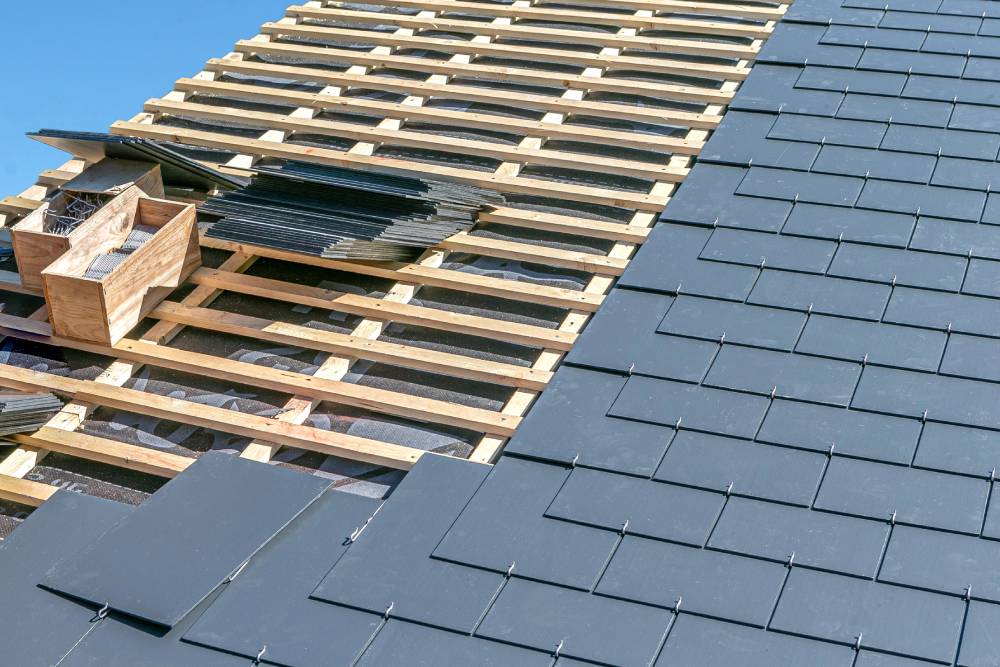
For homeowners, a roof replacement can feel like a big, overwhelming project. Understanding what happens during a roof replacement and the steps involved in the roof installation process can help reduce stress and ensure the job is done efficiently and safely. From the initial inspection to the final cleanup, every stage matters for the durability, safety, and appearance of your new roof.
Roof replacement is more than simply installing new shingles. It involves assessing the condition of the existing structure, removing old materials, making necessary repairs, and installing a new system designed to last for decades.
Being familiar with the process gives homeowners confidence and helps them plan their budget, schedule, and expectations accordingly.
Inspection and Assessment
The first step in any roof replacement is a thorough inspection. A licensed roofing professional will examine the current roof for damage, wear, or structural concerns. This assessment includes looking for water damage, rot, missing shingles, leaks, and the condition of the underlying decking.
During this stage, the contractor may also evaluate insulation, ventilation, and drainage systems to determine whether any improvements are needed. This inspection informs the project plan, including materials, labor, and any necessary repairs.
Planning and Material Selection
Once the inspection is complete, homeowners typically meet with their contractor to review options. The planning stage involves choosing the roofing material, style, and color that align with the home’s architecture and budget. Common residential options include asphalt shingles, metal, slate, and composite materials.
At this stage, contractors provide a detailed estimate that breaks down labor, material costs, and any additional services such as gutter replacement or ventilation upgrades. Clear communication and planning help set expectations and prevent surprises later in the process.
Preparing the Job Site
Before work begins, the roofing team prepares the job site to protect landscaping, siding, and outdoor areas from debris. Tarps, protective barriers, and equipment staging areas are established to keep the project organized and safe.
Preparation may also include arranging dumpsters for old roofing materials, removing loose items from the attic, and ensuring easy access to the roof.
Removing the Old Roof
The next stage involves stripping away the old roofing materials. This process can vary depending on the type of existing roof and its condition. Asphalt shingles are typically removed layer by layer. On the other hand, other materials like slate or tile may require more careful handling to avoid damage to the underlying structure.
During removal, the crew inspects the roof deck for damage or rot. Any compromised areas are repaired or replaced before the new roofing material is installed. Removing the old roof may take a full day or more, depending on the size and complexity of the home.
Installing Underlayment and Flashing
Once the old roof is removed and the deck is repaired, the roofing team installs underlayment – a protective layer that provides added water resistance and insulation. Underlayment acts as a barrier against leaks and helps extend the life of the new roof.
Next, flashing is installed around chimneys, vents, skylights, and other roof penetrations. Flashing makes sure that water is directed away from these vulnerable areas, preventing leaks and water damage. This step is critical for protecting the home and maintaining the integrity of the roof installation.
Installing the New Roof
After the underlayment and flashing are in place, the roofing team begins installing the new roof. The process varies depending on the chosen material.
Asphalt shingles are typically installed starting from the bottom edge of the roof, moving upward to ensure proper overlap and water shedding. Metal panels, slate, or tile require specialized installation techniques to guarantee durability and proper alignment.
During installation, the crew carefully follows manufacturer guidelines and local building codes to maximize performance and longevity. Homeowners can expect the installation phase to take several days for an average-sized home, depending on the complexity of the roof.
Ventilation and Insulation Checks
Proper ventilation and insulation are essential for the overall health of the roof and the comfort of the home.
After the roofing material is installed, the contractor checks that vents are properly positioned to allow airflow and prevent moisture buildup. Good ventilation prevents ice dams in winter, reduces heat buildup in summer, and extends the life of roofing materials.
Any recommended insulation upgrades are addressed during this stage to improve energy efficiency and maintain consistent indoor temperatures. These improvements can also reduce energy bills over time and add value beyond the immediate protection of your roof.
Final Inspection and Quality Check
Once the installation is complete, the roofing team conducts a thorough inspection to make sure everything meets high standards. This includes checking for proper shingle or panel alignment, secure flashing, and clean edges. The contractor also verifies that gutters, downspouts, and other drainage components are functioning correctly.
A final inspection brings homeowners confidence that their new roof is safe, durable, and built to last. Any minor adjustments are made before the crew leaves, guaranteeing a polished and professional finish.
Cleanup and Debris Removals
An often-overlooked part of the roof installation process is cleanup. The roofing team removes all debris, old shingles, and materials from the property, leaving the site safe and tidy. Proper cleanup protects landscaping, prevents damage to walkways, and secures a safe environment for the homeowner.
Many reputable contractors, including Expert Roofing of Westchester, provide full debris removal and disposal as part of the service, so homeowners can enjoy their new roof without the stress of post-construction mess.
How Expert Roofing of Westchester Can Help
At Expert Roofing of Westchester, we guide homeowners through every step of the roof installation process, making the experience smooth, clear, and stress-free. From the initial inspection to the final cleanup, we handle every aspect of the project with precision and professionalism.
We begin with a thorough assessment of your current roof and give honest recommendations tailored to your home’s needs. If you’re ready to replace your roof with confidence, schedule an inspection or appointment today. We’ll provide expert guidance, transparent pricing, and a roof that protects your home for decades to come.